

Participants from Universitas Syiah Kuala
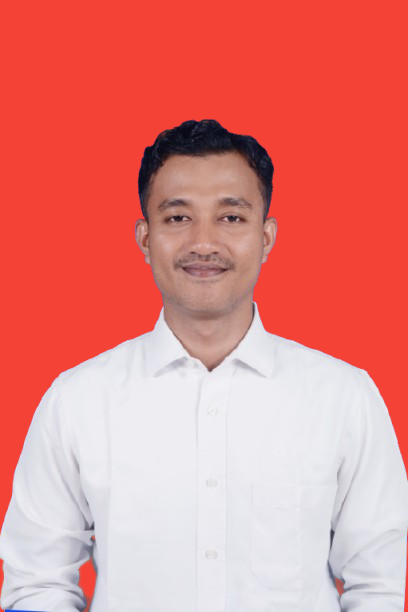
Amirunnas, S. Pd
Amirunnas is a young conservationist with a strong commitment to protecting wildlife and ensuring environmental sustainability. He is currently pursuing a Master’s degree in Biology at Syiah Kuala University, where he focuses on biodiversity research and conservation strategies. His academic background has given him a strong foundation in ecological studies, species management, and environmental protection. Throughout his career, Amirunnas has dedicated himself to bridging the gap between scientific research and community-based conservation. As part of his work with the Rumah Bumi Lestari Foundation, he actively involves local communities in sustainable practices that protect wildlife and improve livelihoods. His approach highlights the importance of community involvement for long-term conservation success, especially in Aceh, Indonesia—a region rich in biodiversity but facing significant environmental pressures.
In addition to his fieldwork, Amirunnas is passionate about education and awareness. He actively contributes to environmental education initiatives, especially for young people, to cultivate the next generation of conservation leaders. He believes in the power of knowledge-sharing to inspire a greater sense of responsibility toward nature. Looking ahead, Amirunnas is determined to strengthen conservation efforts in Indonesia by combining scientific research, community empowerment, and sustainable development. His vision is to preserve biodiversity while allowing local communities to thrive, making conservation a pathway to resilience and prosperity.
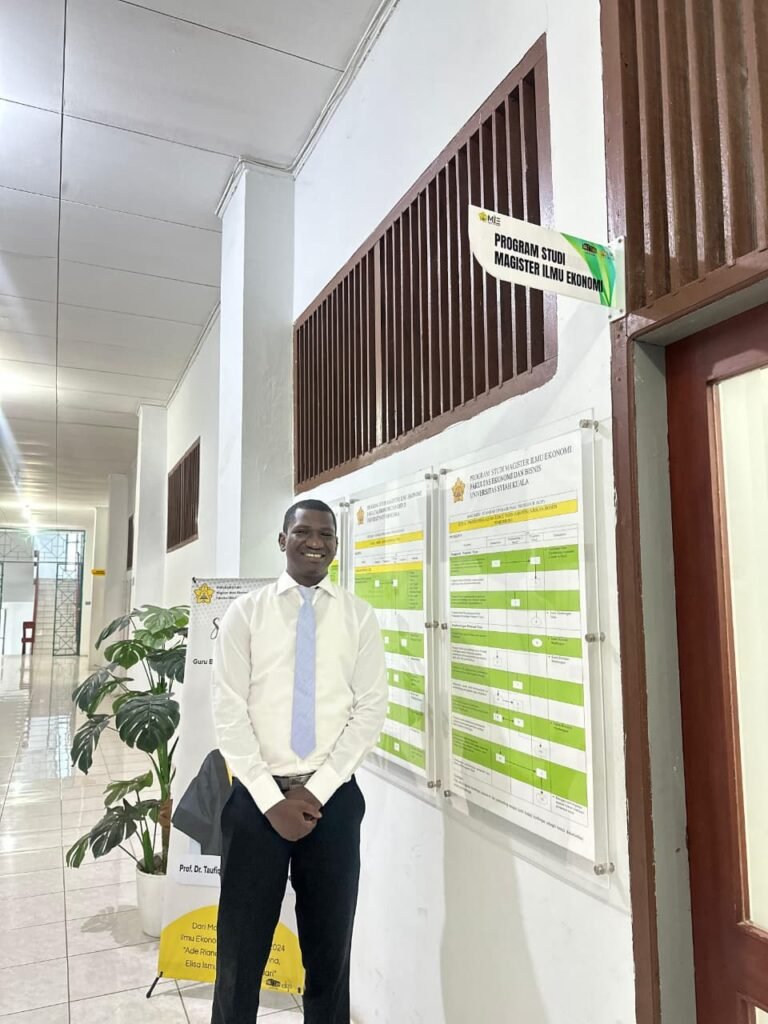
Bakary S Dibba, S.E
Bakary S. Dibba has a background in community health nursing and a growing focus on economics and sustainable development. Born and raised in The Gambia, he is 37 years old, married, and currently pursuing a master’s degree in economics at Syiah Kuala University, Indonesia, as a recipient of the prestigious Indonesian Government KNB Scholarship. With eight years of professional experience as a Community Health Nurse under the Gambian Ministry of Health, Bakary has worked in reproductive and child health, HIV/AIDS and tuberculosis management, and community mobilization. These experiences shaped his interest in linking public health, economic growth, and environmental sustainability.
Bakary has enhanced his research and analytical skills through training in econometrics, data analysis, and project management. His recent work includes contributing to a Bank Indonesia–funded project on offshore wind energy in Eastern Indonesia, where he focused on policy feasibility, renewable energy economics, and stakeholder engagement.
Fluent in English, Bahasa Indonesia, and several local languages, Bakary’s multilingual abilities enable him to navigate cross-cultural environments effectively. His leadership roles, including serving as President of the Gambian Students Association in Banda Aceh and working as a research assistant, reflect his commitment to academic collaboration and community development.
Passionate about sustainability and public health, Bakary is especially drawn to SDG 3: Good Health and Well-Being and SDG 13: Climate Action, which align with his professional background and academic interests. By joining this program, he hopes to broaden his expertise, strengthen his research capacity, and contribute to innovative solutions for health and climate challenges in West Africa and beyond.
drh. Cut Aderiza Anggina
My name is Cut Aderiza Anggina, a veterinarian from Aceh, Indonesia and currently a Master’s student in Veterinary Public Health at Syiah Kuala University. I have gained professional experience in various aspects of veterinary science, ranging from clinical practice to laboratory research. My previous roles include serving as a research assistant in molecular laboratories, an assistant at the Teaching Animal Hospital Prof. Dr. Noerjanto and presently, an assistant at the In Vitro Fertilization (IVF) Laboratory of the Faculty of Veterinary Medicine.
My academic and professional interests focus on the intersection of animal health and public health, particularly in food safety and sustainable livestock production. I strongly believe that veterinary science plays a vital role in protecting communities by ensuring safe food systems, improving livestock productivity and reducing zoonotic risks. My ongoing thesis focuses on developing a method to predict calving time in Aceh cattle through clinical observations and cortisol metabolite measurement. This research is intended to support animal welfare, help farmers minimize economic losses and contribute to sustainable livestock practices in Indonesia.
Through this program, I hope to expand my knowledge, strengthen international collaborations and explore innovative approaches to addressing public health challenges. The Sustainable Development Goal most relevant to my background is SDG 3: Good Health and Well-being, as healthier animals contribute directly to healthier people and stronger communities.
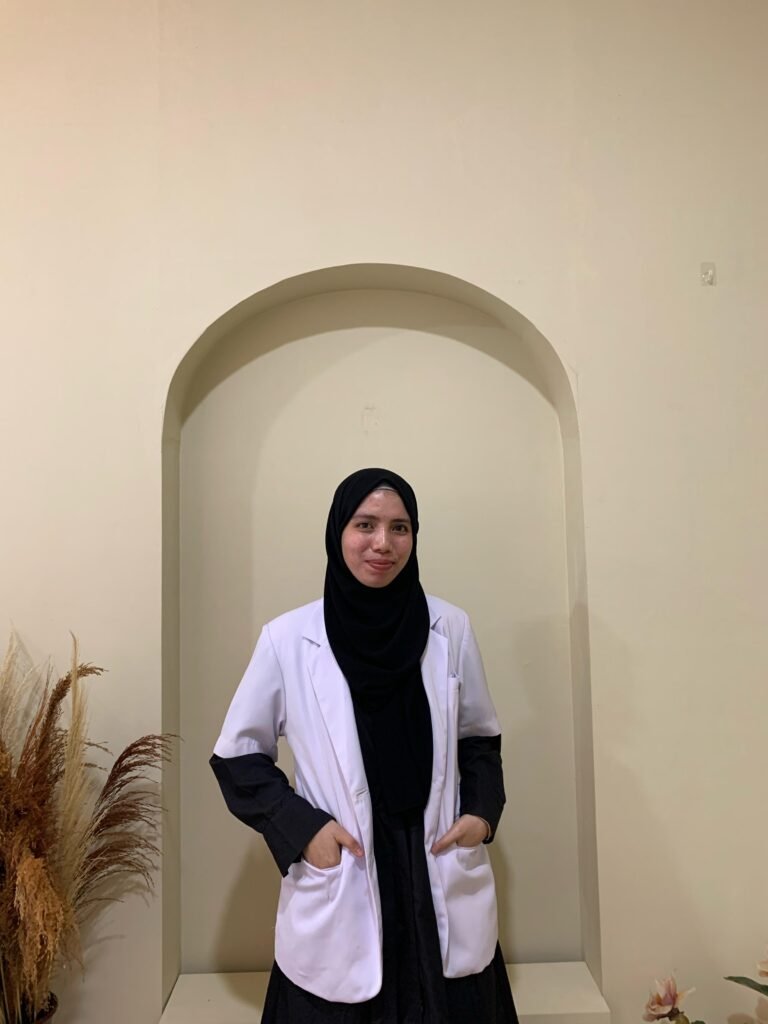

drh. Elya Adelvina Nasution
drh. Elya Adelvina Nasution is a Master’s student in Veterinary Public Health at Syiah Kuala University (USK), with an academic background from the Faculty of Veterinary Medicine at USK, where she completed both the Bachelor of Veterinary Medicine and the Professional Veterinary Medicine Program (DVM).
In addition to her interest in small animal veterinary practice, Elya is deeply engaged in the field of veterinary public health, particularly in food security, food safety, and environmental health. Throughout her academic journey, she has actively participated in community service programs in underdeveloped, frontier, and outermost regions (3T areas), which strengthened her conviction that public health cannot be achieved without interdisciplinary collaboration through the One Health approach that integrates human, animal, and environmental health.
Education is not only about acquiring knowledge but also about fostering awareness, values, and tangible contributions to society. With a strong passion for learning, she believes that consistent small steps can lead to significant change. Through this program, Elya aspires to broaden her perspectives, strengthen her skills, and build international collaborative networks to develop innovative strategies for addressing global health challenges.
Among the 17 Sustainable Development Goals (SDGs), Elya is particularly interested in SDG 2 (Zero Hunger) and SDG 3 (Good Health and Well-Being). These goals align with her academic focus, as they are closely related to ensuring access to safe, healthy, nutritious, and sustainable food for all. Her role as an academic is envisioned as a meaningful contribution toward fostering a healthier, equitable, and sustainable society in the future.
Ns. Eka Tlaga Herawati, S.Kep
My name is Eka Tlaga Herawati, and I am a master’s student in nursing at Universitas Syiah Kuala. I started my nursing journey with a bachelor’s degree and professional certification from the University of Indonesia, and now I work as a nurse in the Intensive Cardiovascular Care Unit (ICCU) at dr. Zainoel Abidin Hospital in Banda Aceh. Working closely with patients every day has taught me not only about clinical skills but also about the importance of compassion, teamwork, and sustainability in healthcare.
I enjoy being actively involved outside the hospital as well—through the Indonesian Cardiovascular Nurses Association (INKAVIN) and by contributing to health articles for my workplace’s magazine and website. These activities allow me to share knowledge and raise awareness, which I believe are small but meaningful steps toward building healthier communities.
By joining this program, I hope to meet people from different countries, exchange experiences, and learn new ideas about global health. I believe this will not only strengthen my academic and clinical skills but also inspire me to create innovative solutions for healthcare challenges in my community.
The Sustainable Development Goal (SDG) that connects most with me is SDG 3: Good Health and Well-Being, because it reflects my passion as a nurse to help people live healthier, longer, and more meaningful lives. I see this program as a valuable opportunity to grow and contribute to that vision.
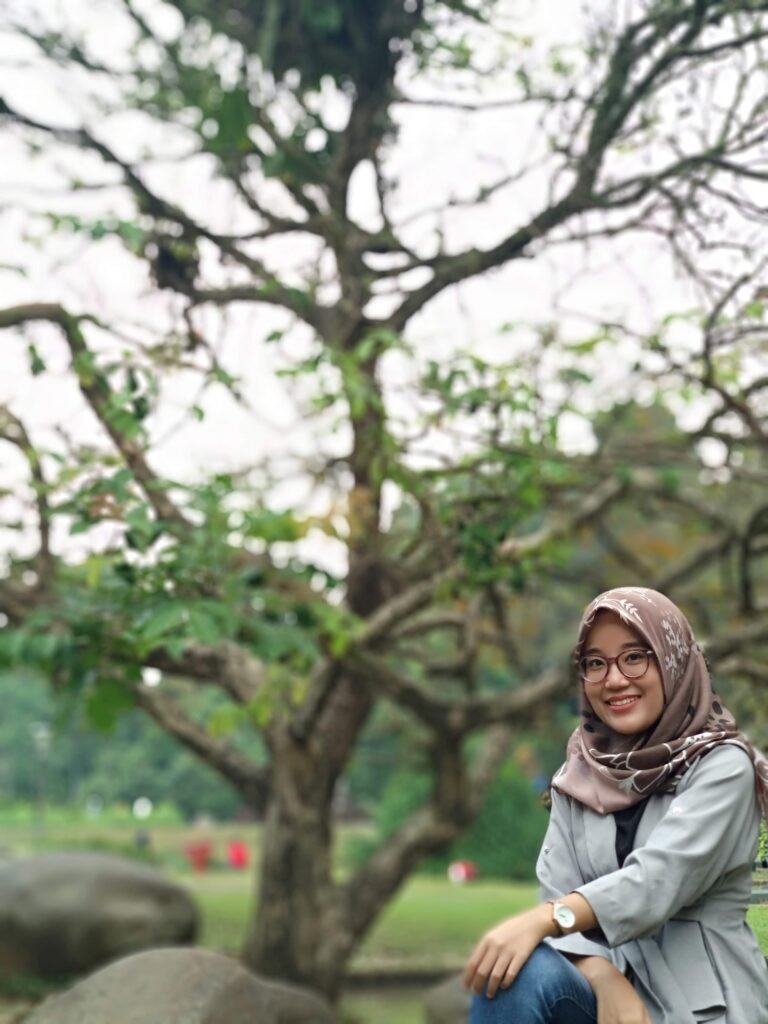
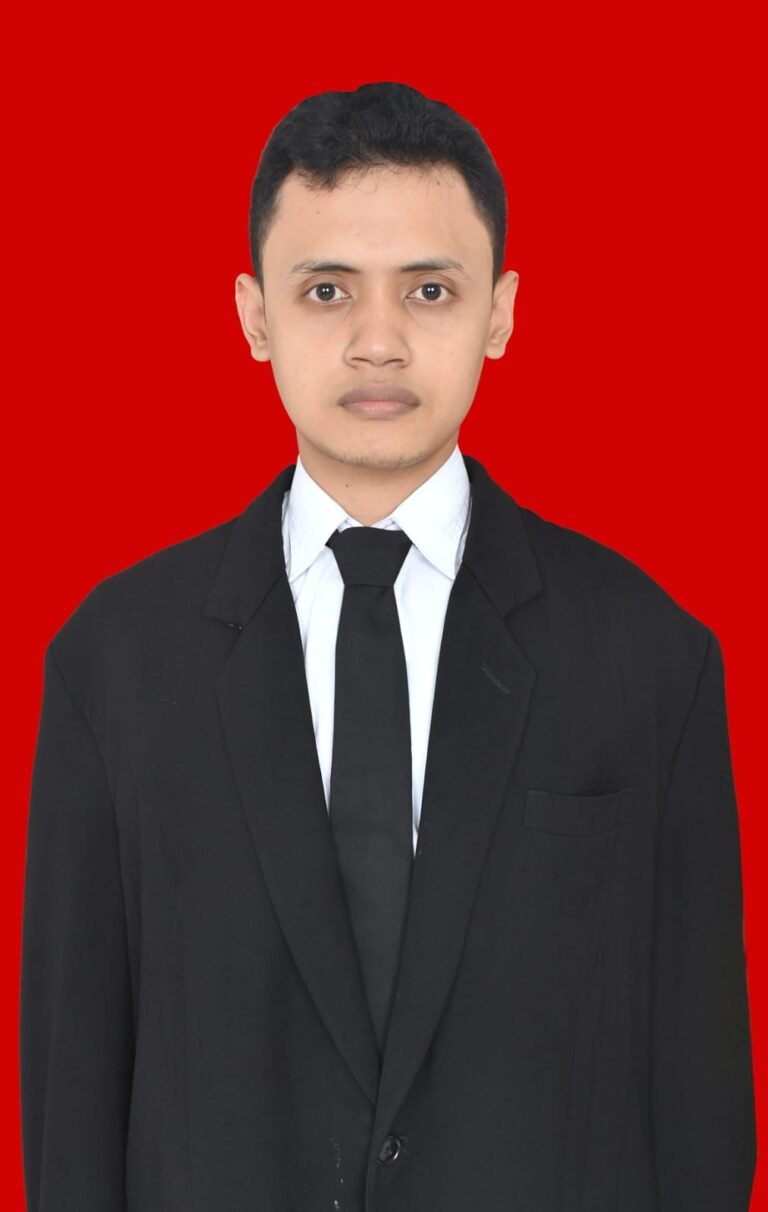
Ns. Heri Eka Putra, S. Kep
A Master’s student in Nursing at Syiah Kuala University, Indonesia, he is currently specializing in nursing management while serving as a nurse manager in a dialysis unit. In this role, he works closely with ward and installation heads to lead a multidisciplinary team delivering holistic care to patients with chronic kidney disease. His academic and clinical experiences have fueled his passion for global health, especially Sustainable Development Goal (SDG) 3 (Good Health and Well-being) and SDG 17 (Partnerships for the Goals).
Working in a resource-limited healthcare setting has exposed him to the real-world challenges of delivering quality care. These experiences have strengthened his belief that achieving better health outcomes requires not only clinical excellence but also system-level leadership, interprofessional collaboration, and innovative solutions tailored to local contexts.
He is particularly passionate about sustainable healthcare innovation and sees partnerships as essential to building equitable and inclusive health systems. He believes that bridging global health frameworks with community-based practice is key to long-term impact. Through the Healthy Paths 2025 program, he aims to broaden his perspective on how international knowledge and policies can be translated into practical solutions on the ground.
With a strong sense of social responsibility and a clear vision for equitable healthcare, he is committed to playing an active role in advancing SDG 3 and 17. His goal is to contribute to strengthening health systems that are not only effective and resilient, but also fair and inclusive for all communities.
Nur Zarifah Zailani, S. Biotek
Nur, born and raised in Malaysia, has a strong background in agriculture and a deep passion for food safety, climate change, and community resilience. She holds a Bachelor of Science in Biotechnology from the University of Malaya, where she built both a solid scientific foundation and valuable leadership skills.
From an early age, Nur has been actively involved in volunteerism, joining local and international missions in Lao PDR, Cambodia, and Indonesia. Her participation in university and national projects, often alongside the Ministry of Higher Education and NGOs, shaped her belief in “low cost, high impact” approaches. She values assigning tasks according to people’s strengths, fostering teamwork, and pursuing the Sustainable Development Goals (SDGs) as practical roadmaps for change.
Professionally, Nur worked as a Marketing Communication Executive at a multinational agrochemical company, engaging with Malaysia’s oil palm, vegetable, and rice sectors. She led sustainability initiatives, organized safety talks, and coordinated recycling campaigns with government agencies. Her work promoted responsible pesticide use, worker and consumer safety, and environmental protection, while supporting international sustainability standards such as MSPO and RSPO.
Currently, Nur is pursuing a Master’s degree in Disaster Science at Syiah Kuala University, Indonesia, under a full scholarship. Her research examines how smallholder farmers in Malaysia and Indonesia adapt to climate change to strengthen food security, aligning with SDG Goals 2 (Zero Hunger), 13 (Climate Action), 15 (Life on Land), and 17 (Partnerships).
For Nur, academic learning holds its greatest value when paired with social responsibility. Looking ahead, she aspires to advance sustainable agriculture and climate resilience, making a lasting difference where science, sustainability, and society meet.

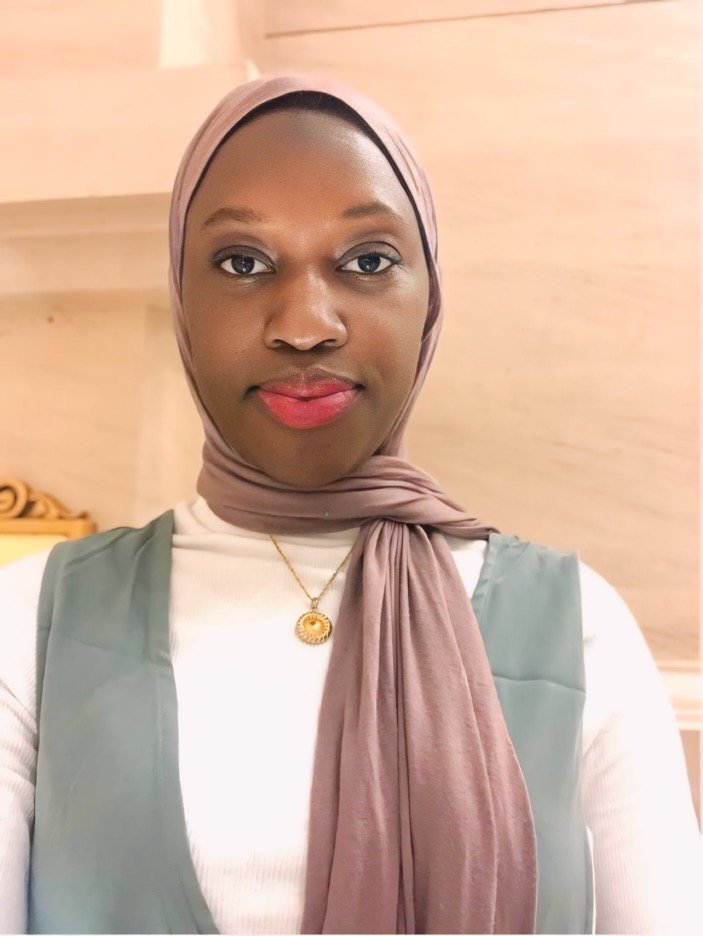
Tata Drame
My name is TATA DRAME, I’m from Mali, which is part of Africa. Currently, I am an international student at Universitas Syiah Kuala, Banda Aceh, Indonesia, pursuing a master’s degree in Integrated Coastal and Marine Resources Management.
My lifelong fascination with sustainable global health programs, coastal ecosystems, and dedication to sustainable practices make me a strong candidate for participating in the “HEALTHY PATHS” Summer School of the DAAD SDG Partnerships Program, which connects students and lecturers from different disciplines.
Since I started my university studies, I have realized that our lives heavily depend on marine resources. This requires balancing human needs with ecosystem health through integrated management approaches that consider multiple uses and stakeholders.
As a researcher in the natural sciences, I believe advanced knowledge and strong research skills are essential in sustainable global health, disaster management, and marine health-related fields. For this reason, I am eager to participate in the HEALTHY PATHS Summer School program to enrich my knowledge and strengthen my international research skills.
This Summer School program is an opportunity for me to contribute to solving sustainability challenges while gaining hands-on international experience in problem-solving strategies. I look forward to learning from and with participants from diverse backgrounds. I believe this program will serve as an important step toward achieving my career goals. By joining the “HEALTHY PATHS” Summer School of the DAAD SDG-Partnerships Program, I will have the opportunity to gain valuable knowledge and skills in sustainable global health.
Participants from University of Göttingen
Fatma Melike Aşcı, MSc
Fatma Melike Aşcı is a Master student of Development Economics with a strong interest in the intersections of regimes, institutions, governance, and inclusive development in the Global South, particularly in Asia. She earned her Bachelor’s degree in Economics and Finance from Istanbul Medipol University in 2024 with high honors and is currently pursuing her Master’s in Development Economics at the University of Göttingen, Germany.
For her graduate studies, she is especially interested in how authoritarian regimes in Asia interact with global economic integration and how institutional settings under such regimes shape development outcomes. Previously, she co-authored a book on the UN Sustainable Development Goals and contributed to an EU-funded project on the European Green Deal, where she focused on sustainability, trade, policy, and civic engagement. She has also worked with the Istanbul Chamber of Commerce, gaining hands-on experience in research, policy analysis, and development strategies.
She is currently focused on strengthening her empirical research skills and applied development methods for geopolitical analysis for further studies, with a focus on institutions and political economy in Asia. She is motivated by a strong commitment to interdisciplinary collaboration and seeks to contribute to research that bridges global policy debates with local institutional dynamics.
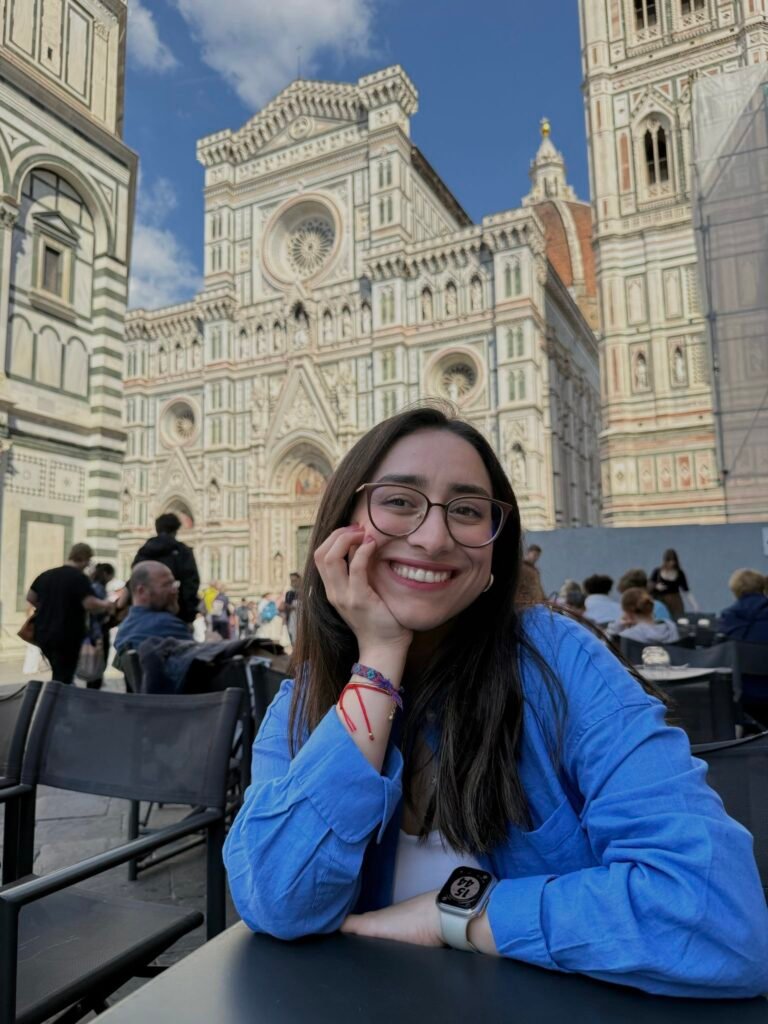
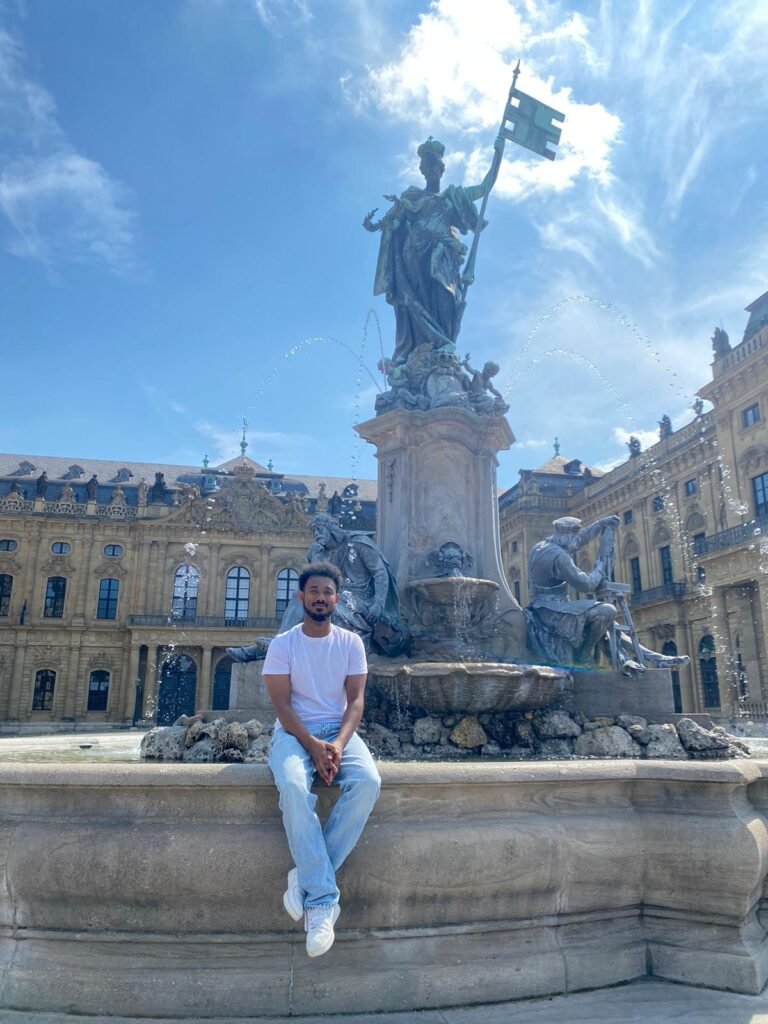
Henok Ezezew Sheferaw
Henok is a Master’s student in Development Economics at the University of Göttingen, Germany. Originally from Ethiopia, he earned his Bachelor’s and Master’s degrees in Economics from Bahir Dar University and the University of Gondar, respectively. His research interests focus on the effectiveness of aid in addressing developmental challenges, as well as issues related to conflict and migration. He hopes that joining this summer school will provide him with insights on mitigating the consequences of both natural and human-made shocks, particularly in the health sector, and on how to sustainably utilize humanitarian aid. As a development economist, he is especially interested in Sustainable Development Goals (SDGs) 1, 2, 3, and 5. In Ethiopia, he served as a lecturer in the Department of Economics at Woldia University, and he is currently working as a tutor under the Econometrics Chair. He has also published empirical studies on rural household welfare, exchange rate policies, political instability, and human trafficking.
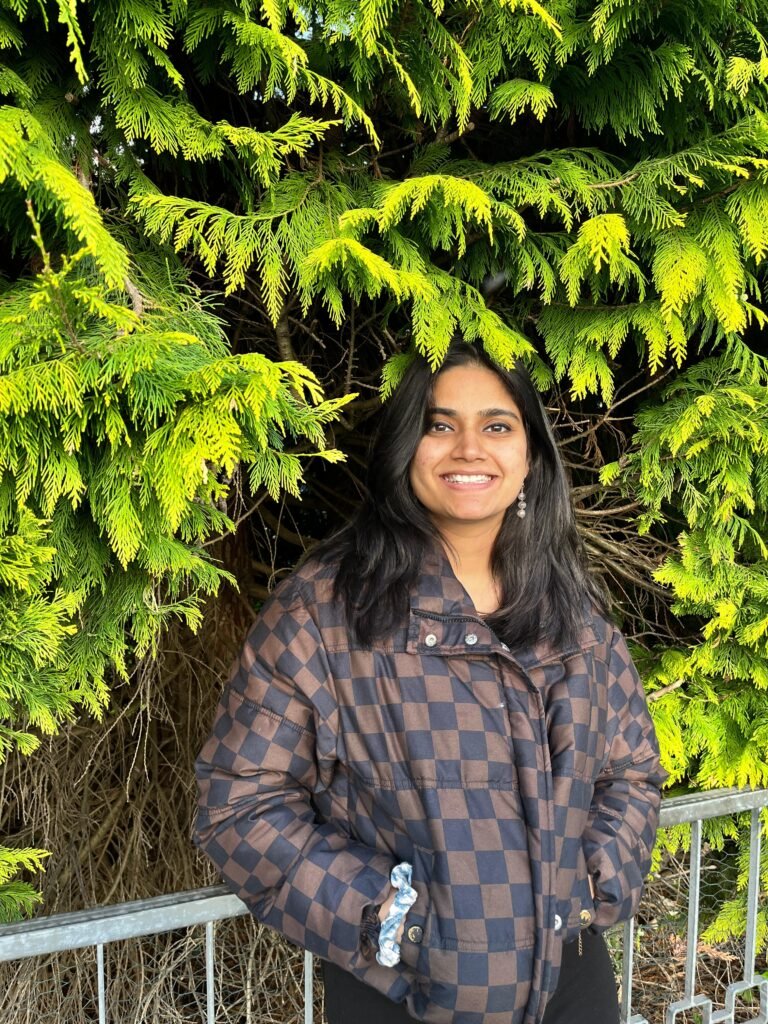
Neha Gupta, MSc
Neha is a development economist and a social worker. Her research lies in the fields and at the intersection of health, gender, and development in the Global South, and in particular South Asia. She earned her bachelor’s in Economics from Delhi University, Delhi in 2021 and is currently pursuing a Master’s in Development Economics at the University of Göttingen, Germany. For her dissertation, she is planning to conduct research on the impact of electing female legislators on maternal and child health outcomes in India. Prior to her master’s journey, Neha worked with different organizations such as NITI Aayog as an intern at the Women and Child Development Division. She is currently working as a student research assistant at CeMIS/Department of Development Economics with Dr. Sebastian Vollmer. For the last one and a half years, she has been engaged in working on different projects whose themes range from labor rights and sustainable agriculture to migration.
Participants from University of Antananarivo
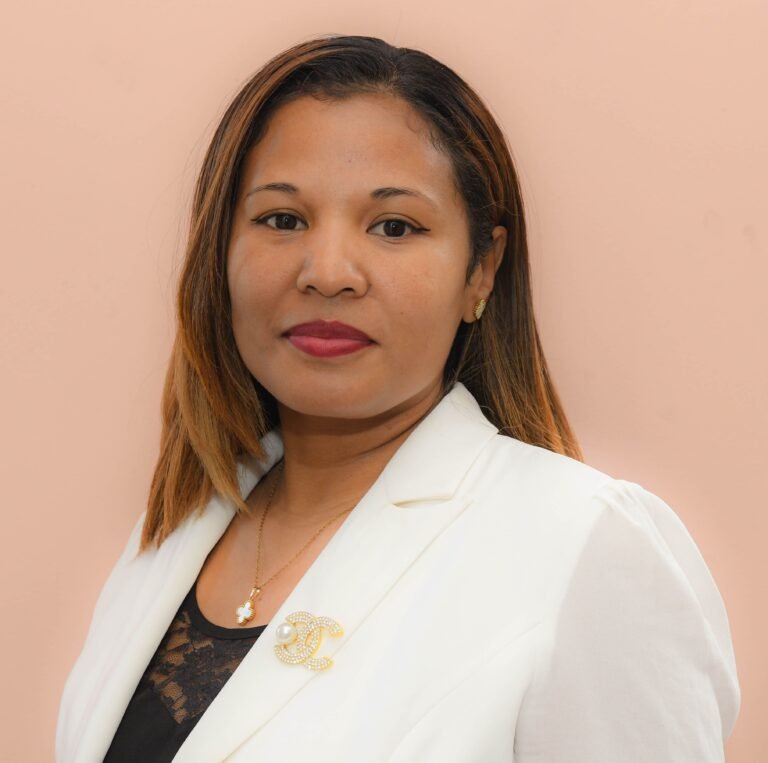
Dr Ramanarivo Norotiana Mihaja, MD, MSc
I am a head of work in Occupational Health at the University of Antananarivo, and I hold a Master’s degree in Occupational Medicine. I am an assistant lecturer in Occupational Medicine at the Faculties of Medicine in Antsiranana, Mahajanga, and Fianarantsoa. I am the author of several scientific publications in the field of Occupational Health.
I currently lead the team in charge of preventing work-related accidents and occupational diseases within the national social protection institution of Madagascar. I also coordinate the institution’s support and referral unit, which provides assistance to vulnerable members, offering help on social, medical, and administrative levels.
Dr. Ramilison Miroso Nandrianina
Miroso Ramilison holds a degree in human medicine and is currently pursuing a specialization in public health. She has worked as a consultant in epidemiology, focusing on vaccine-preventable diseases and the Expanded Program on Immunization in a rural district. During this experience, she identified multiple challenges, including effective communication to build parental trust in vaccination—particularly among fathers—enhancing the quality of services in health centers, and addressing limited funding for initiatives aimed at improving access to care. This affects not only vaccination but also maternal health, where some women must walk for several hours to give birth during complications, yet every pregnancy is precious. She is skilled in data collection, analysis, and developing community-based health interventions. Outside of her professional work, she has interests in crime series, travel, and exploring cultural practices related to health and wellbeing in different communities.
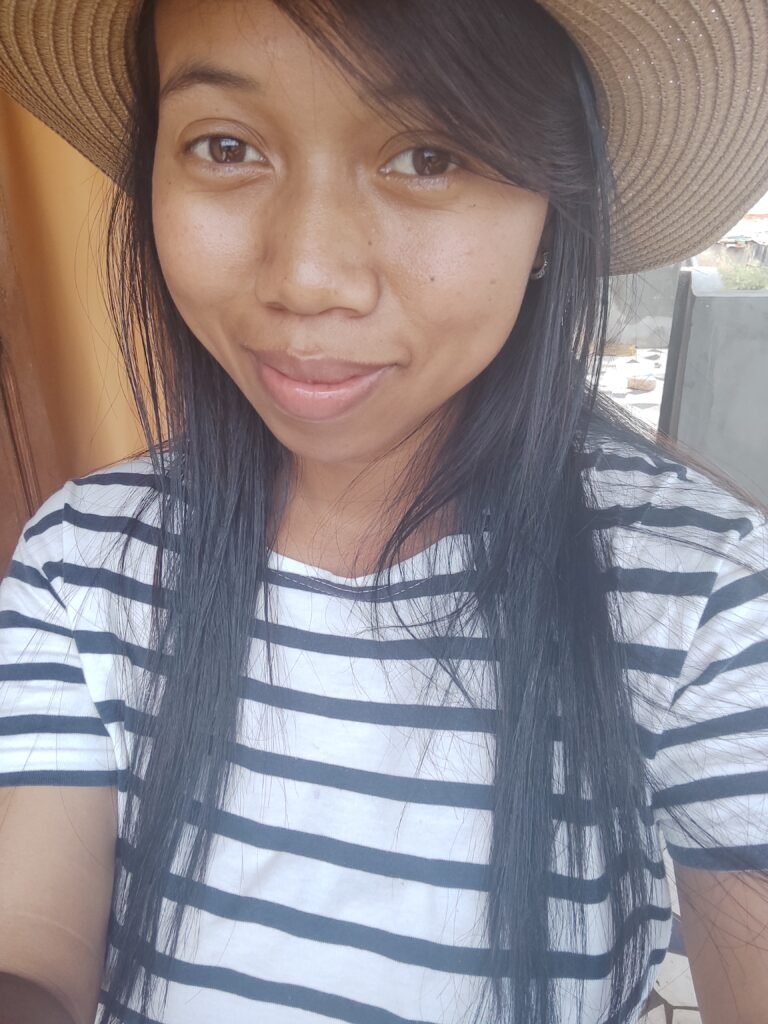
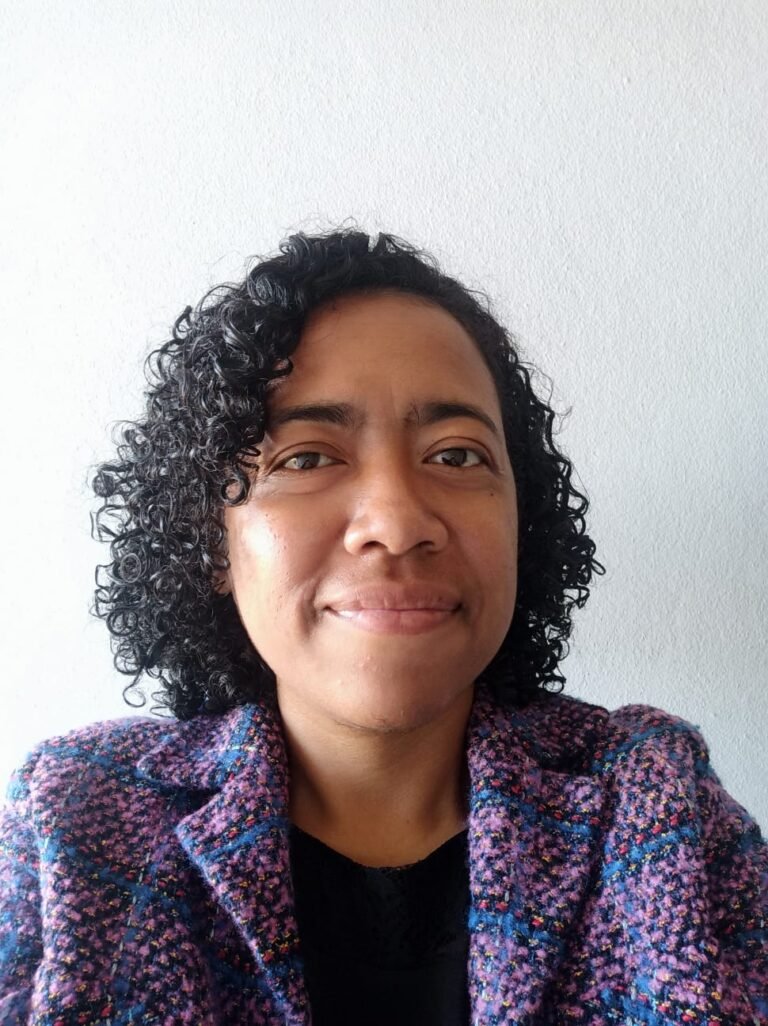
Dr. Ramontalambo Tantely Jenny
Ramontalambo Tantely Jenny is a public health physician in Madagascar. Currently, she works at the national reference laboratory for disease prevention, surveillance, and control.
She decided to study medicine and then chose to become a public health doctor because she noticed how important it is to prevent rather than treat. In fact, during her hospital internships, she observed how difficult it was for most parents to care for their sick children, both financially and in terms of time lost, for illnesses that could have been prevented. According to her, “vaccinating a baby against tuberculosis is less expensive for parents than treating their child for tuberculous meningitis.”
Among her accomplishments is her participation in the fight against COVID-19 as an investigator, as well as her participation in the campaign to combat polio as a coordinator in her district. Preventing, monitoring, and fighting diseases or events that could affect the health of her compatriots are among her priorities.
Carole Tambiniaina Ralison, MSc
Carole Tambiniaina RALISON is a Malagasy economist with a strong interest in sustainable development and global health. He holds a Master’s degree in Development Economics from the University of Bordeaux and a Master’s in Environmental Impact Studies from the Polytechnic School of Antananarivo. This dual academic background has provided him with interdisciplinary skills in economic analysis, environmental assessment, and development policy, which he has applied in both research and professional contexts. Married and father of a little boy, he currently works as a Financial Supervisor at Population Services International Madagascar. He is responsible for financial monitoring, budget planning, donor reporting, and compliance for large-scale public health programs, including reproductive health, malaria, tuberculosis, and HIV. This experience has given him valuable insight into how financial governance and resource allocation directly affect the performance and sustainability of health systems. His professional experience complements his academic interests, particularly in linking development economics with health policy and sustainability. He is preparing to pursue a PhD focused on sustainable development and health systems strengthening, with the ambition of influencing policy decisions and contributing to poverty reduction in Madagascar. SDG 3: Good Health and Well-being resonates the most with his background. Achieving universal access to health is not only vital for social equity but also fundamental to sustainable economic development. Through this program, he hopes to broaden his research perspective, strengthen his skills, and contribute to innovative, sustainable health strategies.

Rindra Rafanomezantsoa
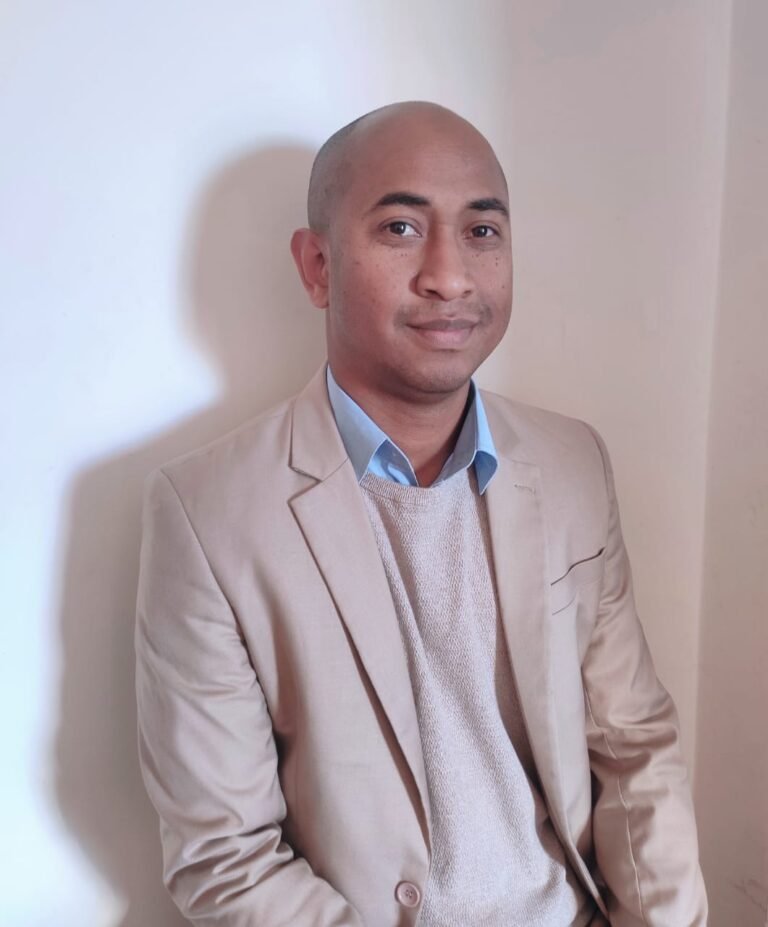
Doctor Rindra RAFANOMEZANTSOA
Public sector Physician and Ophthalmology Specialist at the University Hospital Center of Antananarivo – Joseph Ravoahangy Andrianavalona Hospital (CHUA-HJRA).
Assistant Professor in Clinical Practice in Ophthalmology at the Faculty of Medicine, University of Antananarivo.
Holder of the State Diploma of Doctor of Medicine and the Specialized Training Diploma in Ophthalmology, both awarded by the University of Antananarivo. Instructor in cataract surgery, both on the HelpMeSee virtual reality simulators and in live surgery.
Co-founder and coordinator of the MAZAVA project, a national initiative to train cataract surgeons deployed across Madagascar, aiming to make cataract surgery accessible to the entire population within a short timeframe.
Participant in ophthalmology consultation and cataract surgery campaigns throughout the country.
Involved in the training of health professionals (doctors, paramedics, and community health workers) in several districts of Madagascar.
Author of multiple scientific publications, notably on ocular trauma, ophthalmologic tumors, cataracts, and other eye diseases.
Volatiana Andriananja, MD
• Dr. ANDRIANANJA Volatiana, Specialist in Internal Medicine and
• Clinical Senior in Infectious Diseases at the University of Antananarivo, MADAGASCAR
• Physician at the Infectious Disease Department, University Raseta Befelatanana Hospital in Antananarivo, Madagascar
• General Secretary of the Malagasy Society for Infection Prevention and Control / Water Sanitation Hygiene (SMPCI/WASH)
• Member of the Infection Control Africa Network
• My interest is focusing on two main domains: outbreak management, especially Infection Prevention and Control (IPC), and Antimicrobial Resistance (AMR)
• I was a Coordinator of a COVID-19 center during the outbreak in 2021
• I aim to learn how to effectively implement IPC plans and Sustainable Development Goals so that I can support my country in recovery efforts and build resilience against future health threats. This includes advocating for increased awareness of behavioral change in IPC practices and the need for better hospital infrastructure. I plan to focus on launching healthcare-associated infection surveillance that reflects IPC practices in healthcare facilities. This will require establishing the necessary human and financial resources, planning awareness-raising activities, and implementing a structured training program for healthcare professionals. Through these efforts, I hope to improve the quality of care for the Malagasy population, reduce mortality, morbidity, and hospital stays related to healthcare-associated infections and outbreaks through effective Infection Prevention and Control measures. Most importantly, the knowledge gained from the Healthy Paths Program will help strengthen hospital capacities and quality of care while contributing to the achievement of the Sustainable Development Goals, especially those related to health.